
Blog
What Is the Proper Hysteresis Setting for Hydraulic Electronic Pressure Controllers
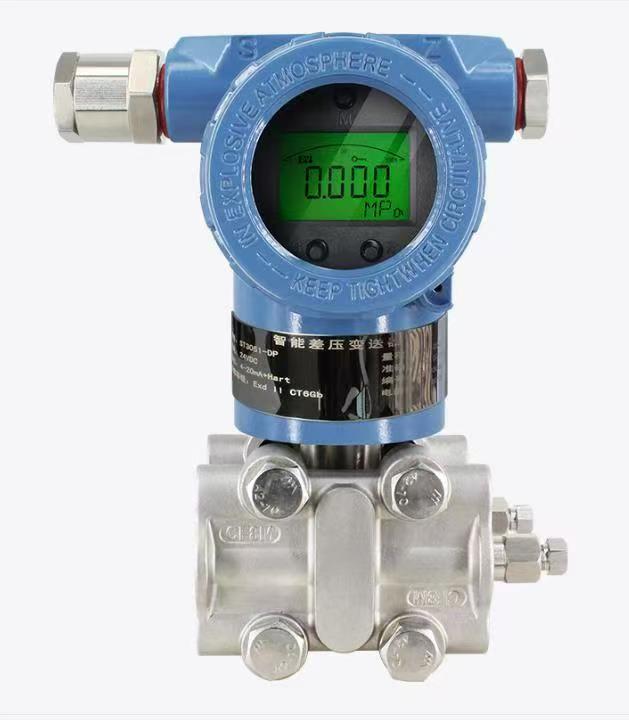
Hysteresis, also called dead band, is one of the most critical parameters when configuring electronic pressure controllers on hydraulic stations.
Hysteresis, also called dead band, is one of the most critical parameters when configuring electronic pressure controllers on hydraulic stations.
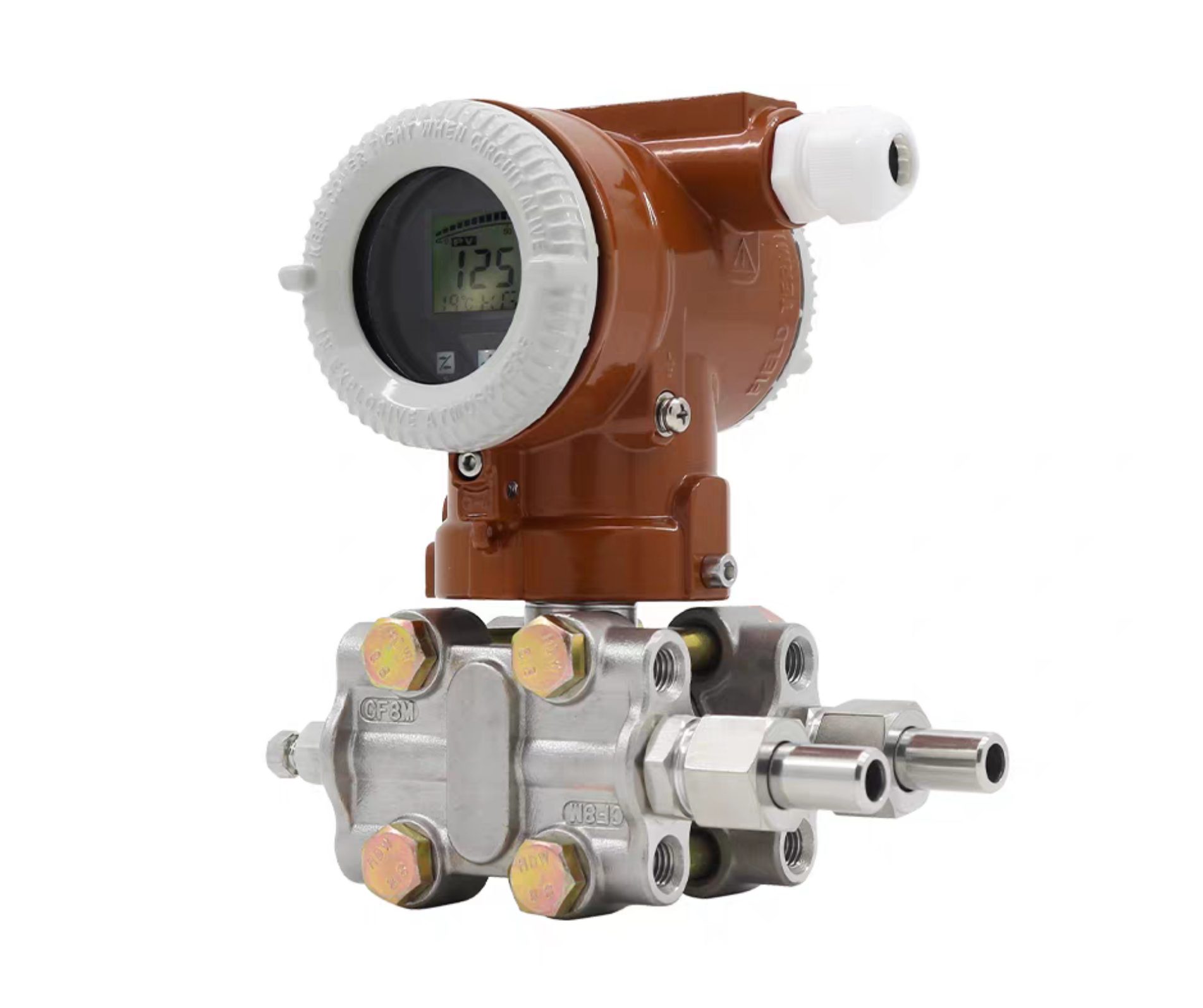
Electronic pressure controllers are widely adopted on modern hydraulic stations for pressure cutoff, pump unloading and low-pressure alarm.
Mechanical pressure switches have served hydraulic stations for decades for simple pressure limit and safety interlock tasks. However, as industrial hydraulic systems move toward precision control, data collection and automated monitoring, many users face the decision whether to replace legacy mechanical units with electronic pressure controllers.
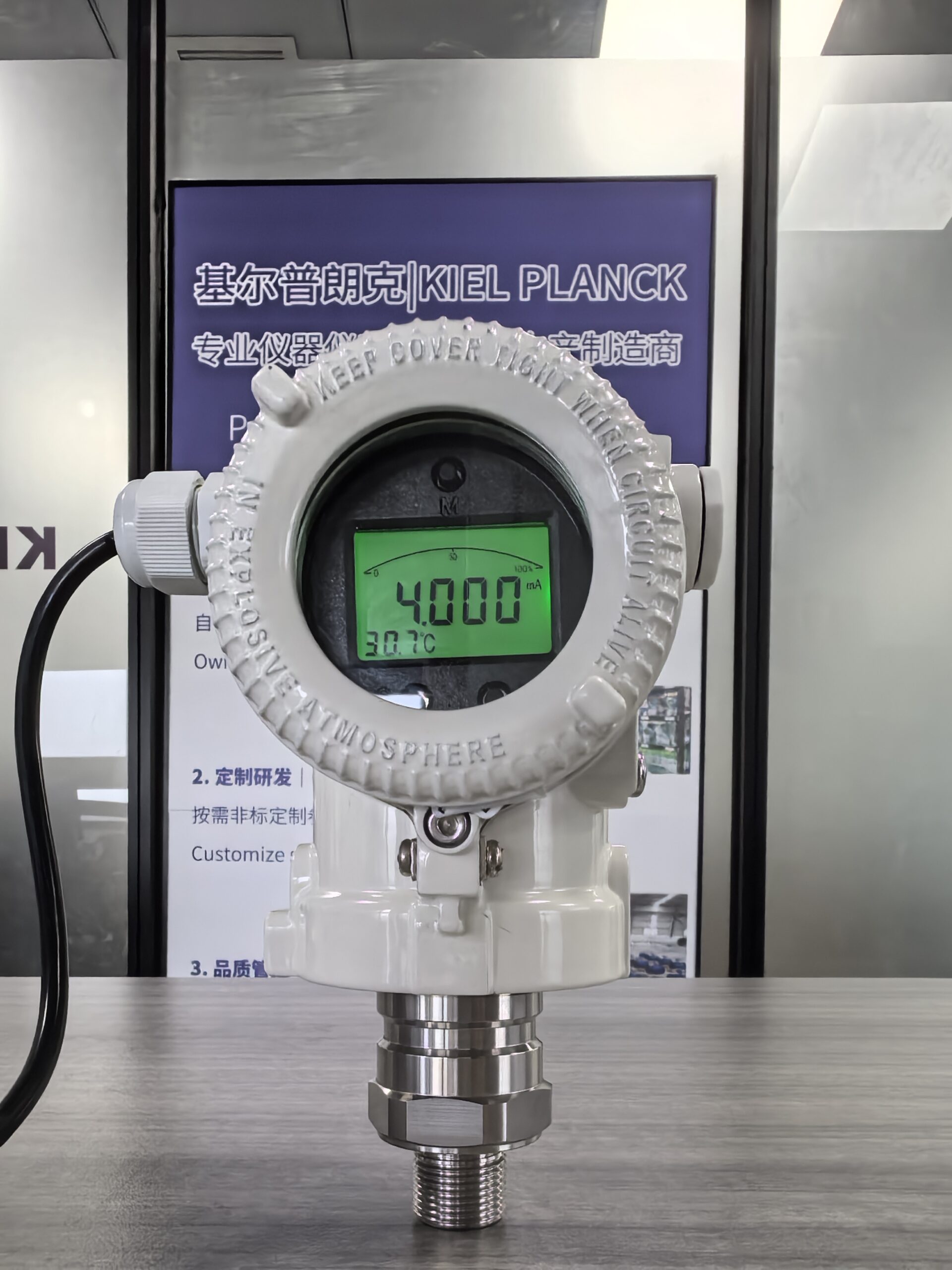
During pressure sensor installation, technicians often apply excessive torque when threading sensors into manifolds or pipe ports, believing a tighter connection guarantees leak-free sealing.
When measuring pressure for high-temperature hydraulic oil, many engineers mistakenly only check one temperature value from the datasheet, confusing medium temperature, ambient temperature and compensated temperature range.
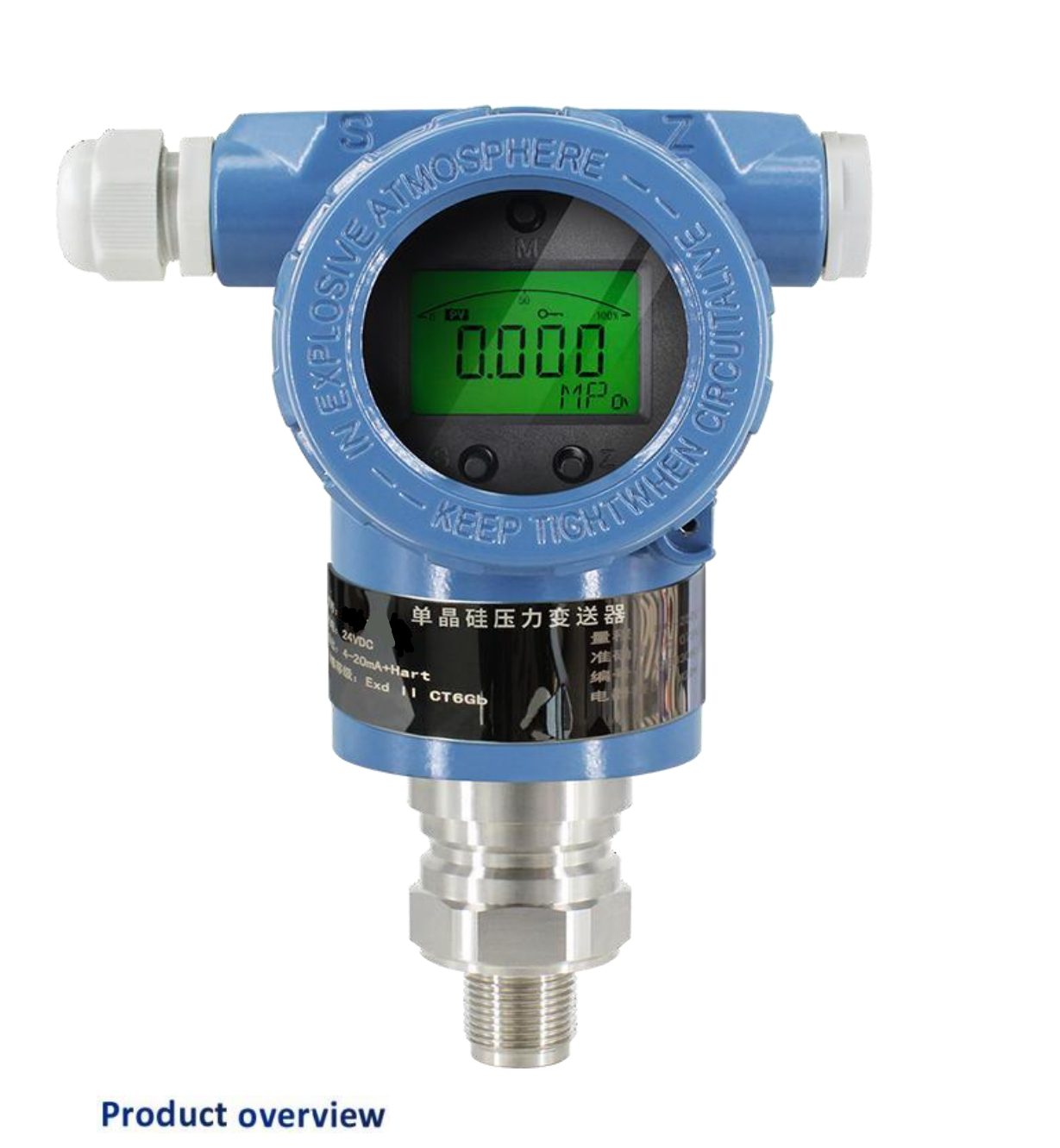
eading drift is a frequent and frustrating failure mode for pressure sensors and transmitters across hydraulic, process and industrial automation systems. Drift manifests as slow, gradual offset changes in measured values, which cannot be eliminated by simple zero reset in many cases
Hydraulic stations using flammable hydraulic oil or deployed in hazardous process areas require careful evaluation of explosion-proof pressure transmitters.
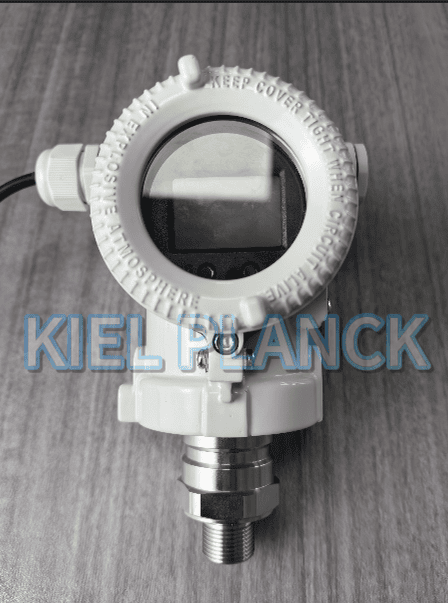
When specifying pressure transmitters for hydraulic stations, engineers frequently face the dilemma: choosing 0.5 class or 0.25 class accuracy.
Many premature failures of hydraulic station pressure transmitters arise not from overload or vibration, but from mismatched wetted materials for process fluids. Hydraulic oil, water-glycol and emulsion are three widely used hydraulic media, yet they impose completely different chemical requirements on transmitter diaphragms and elastomer seals. Engineers often select one standard transmitter model for all three fluids, which leads to seal swelling, hardening, diaphragm corrosion and signal drift after several months


