Once a Year: On-Site Verification Procedures for Transmitter Zero and Span Adjustment - Kiel Planck
  • Home
        • New Product

          Once a Year: On-Site Verification Procedures for Transmitter Zero and Span Adjustment - Kiel Planck

          There is a solution for every application. Let’s work together to find the right solution for you.

          Your benefits

          We use our experience to move your project forward.

          PHONE: 400-8868-261

          E-mail: info@kielplanckprc.com / kielplanck@outlook.com

  • Application
  • Service
  • Brand
  • Blog
  • Contact Us
Once a Year: On-Site Verification Procedures for Transmitter Zero and Span Adjustment - Kiel Planck
Blog

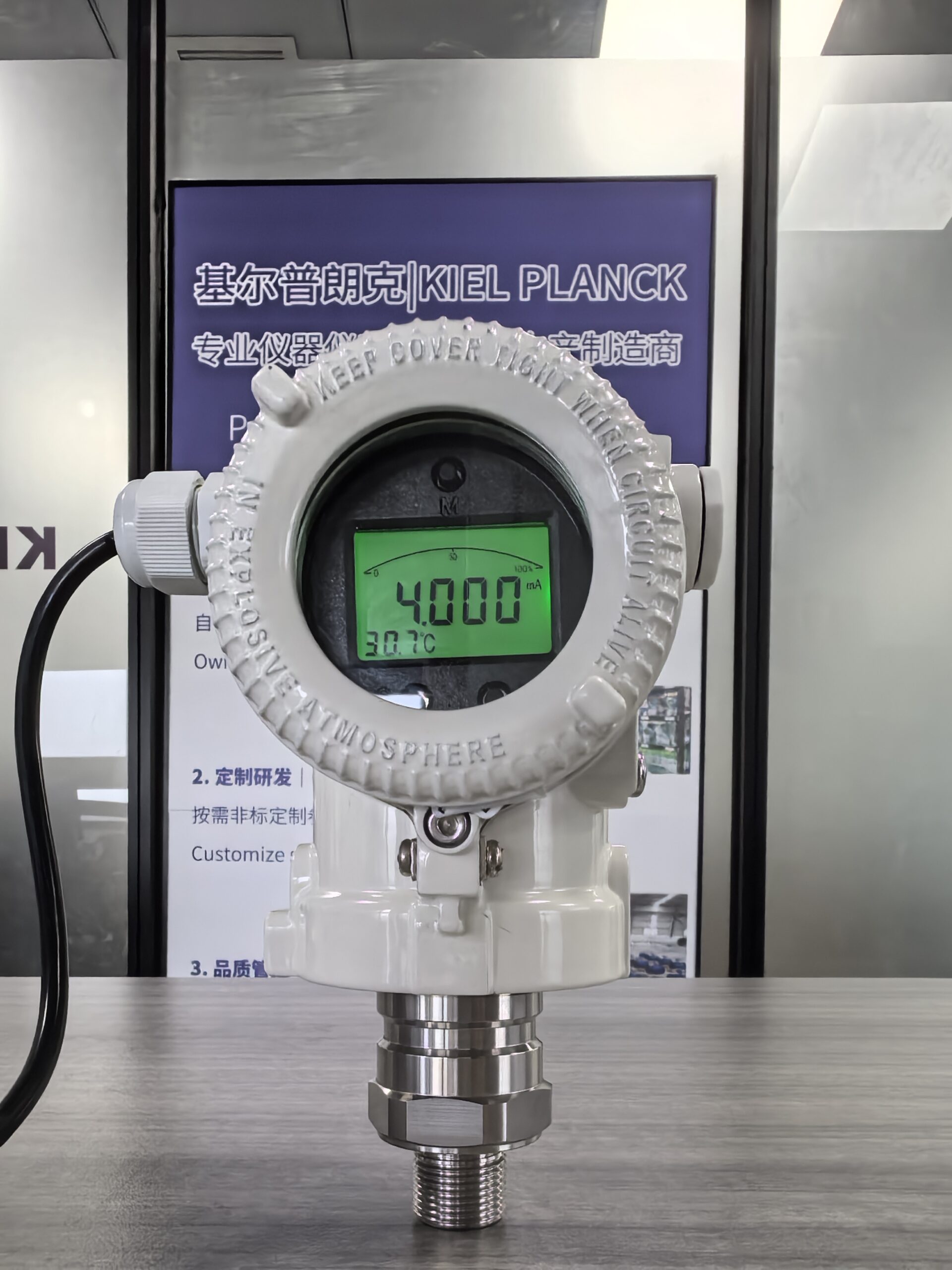
Once a Year: On-Site Verification Procedures for Transmitter Zero and Span Adjustment

Process transmitters, including pressure, differential pressure and level transmitters, serve as core signal sources for industrial process control systems. Affected by long-term temperature drift, mechanical stress, medium corrosion and aging of electronic components, their zero point and span will gradually deviate after one year of continuous operation, leading to inaccurate process data and biased automatic control.
What Questions to Ask Before Purchasing a Pressure Transmitter - Kiel Planck
Blog

What Questions to Ask Before Purchasing a Pressure Transmitter

Pressure transmitters are foundational measurement instruments widely used in petrochemical, new energy, pharmaceutical and water treatment industries. Improper selection often leads to inaccurate readings, premature corrosion, seal failure and unexpected shutdown losses.

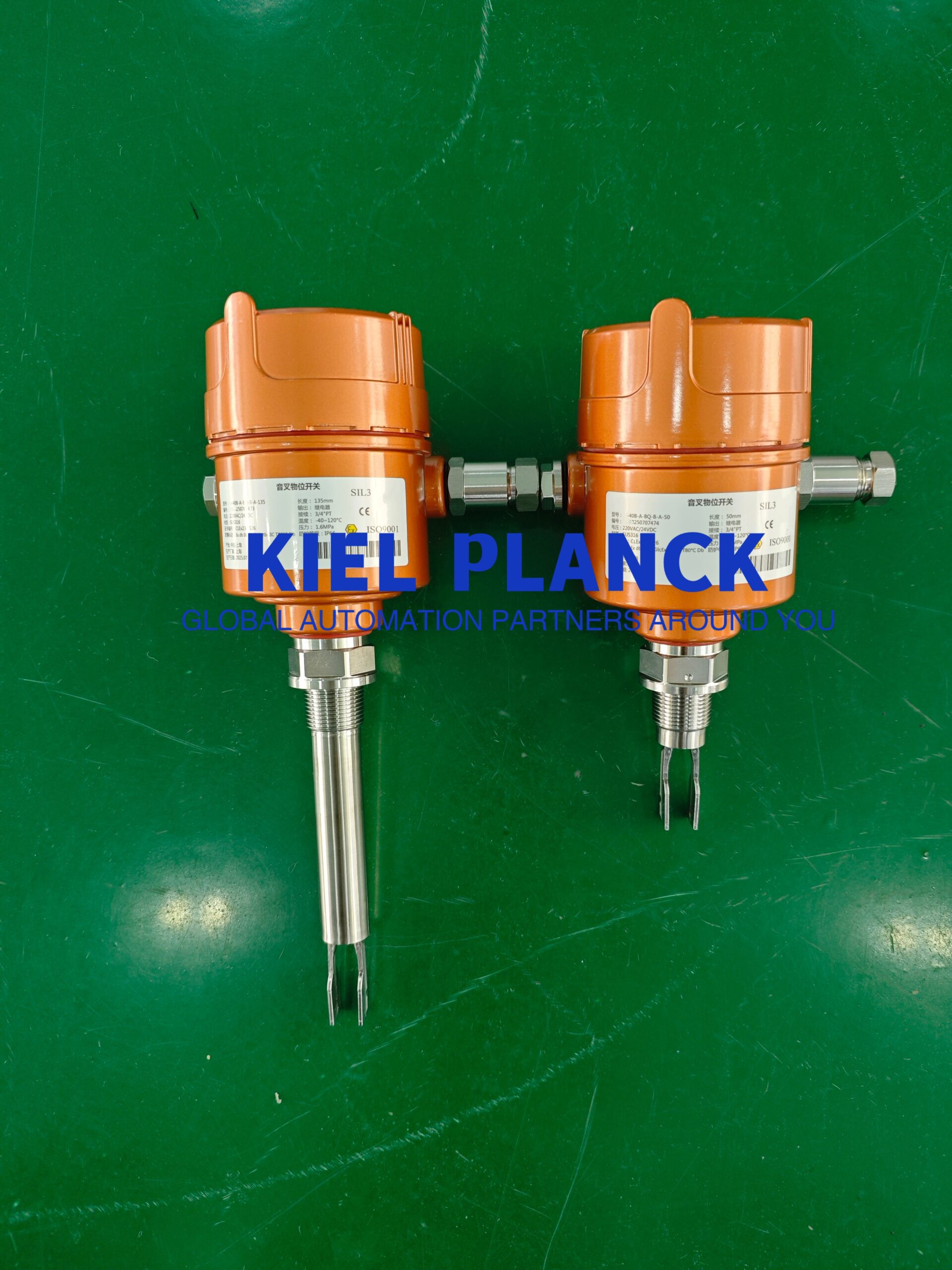
Tuning Fork Level Switches: An Alternative to Floating Ball Failure for High-Turbulence Reactor Working Conditions - Kiel Planck
Blog

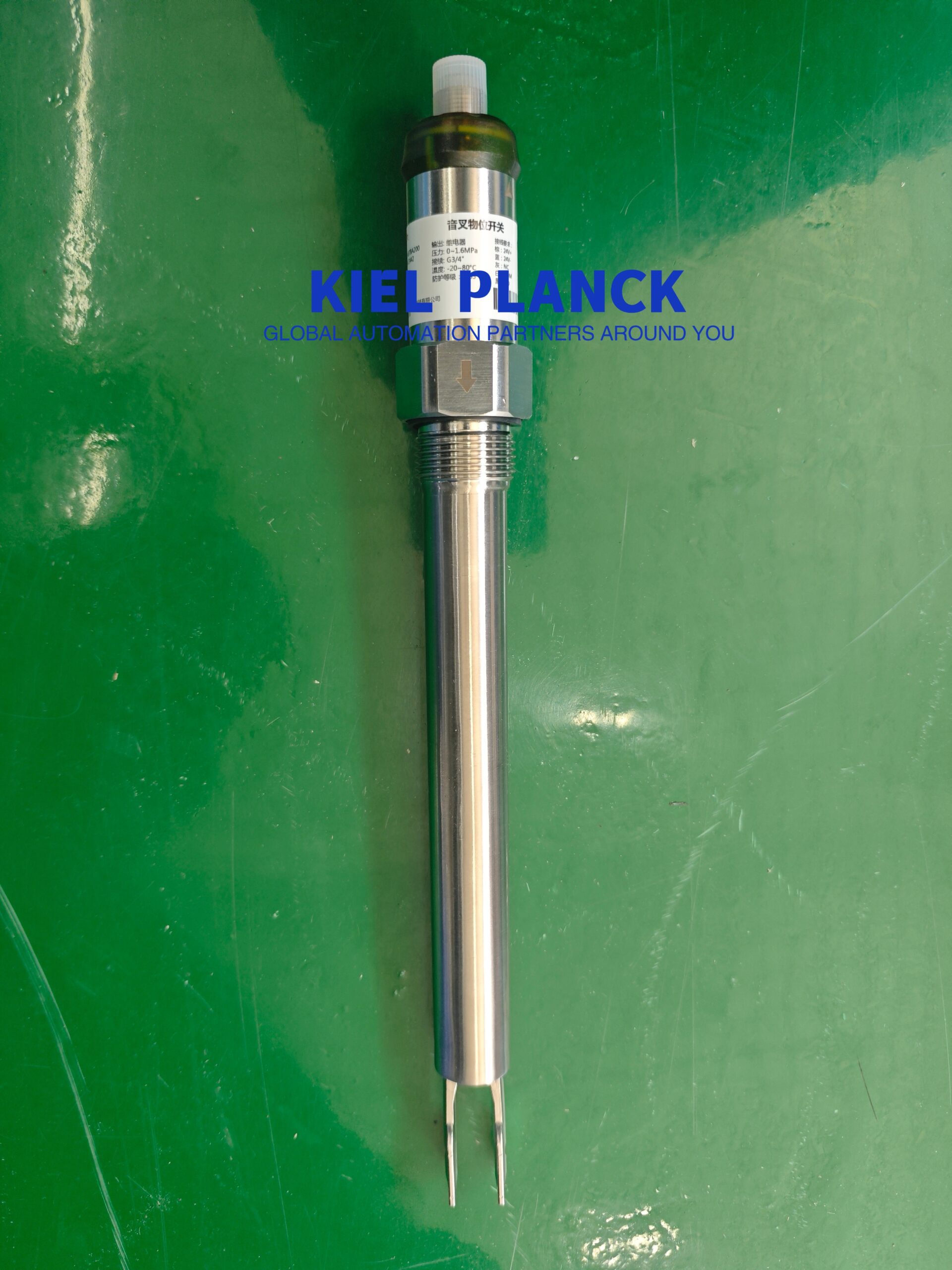
Tuning Fork Level Switches: An Alternative to Floating Ball Failure for High-Turbulence Reactor Working Conditions

Chemical reaction kettles are core process equipment for mixing, synthesis, and material reaction in fine chemical, pharmaceutical, and new energy industries. The continuous stirring, circulating feeding, and violent liquid fluctuation inside the reactor form strong turbulent flow, which has long been a key cause of frequent failure of traditional floating ball level switches.

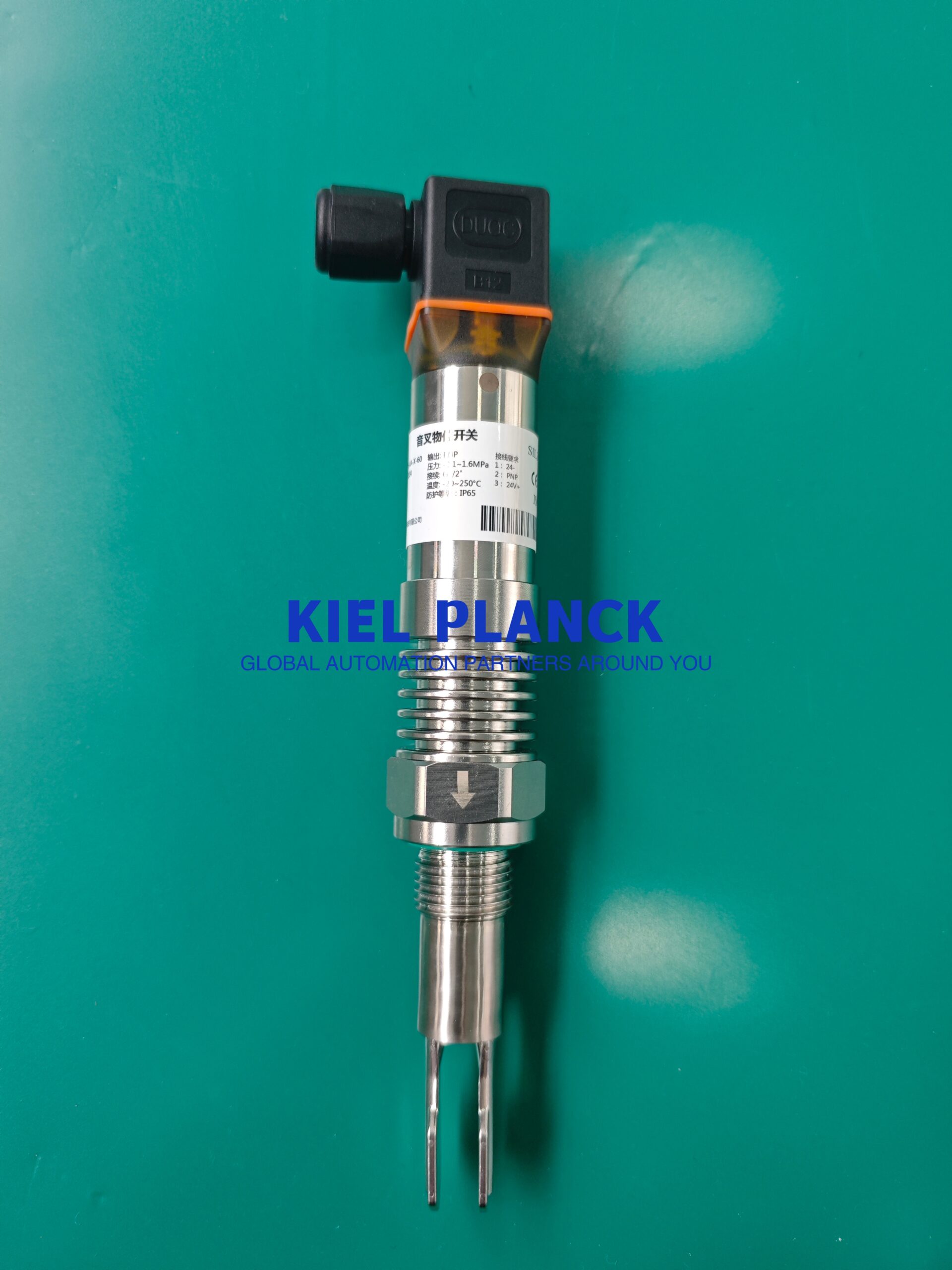
Tuning Fork Level Switches Adapted to CIP Cleaning Scenarios in Food and Pharmaceutical Sanitary Working Conditions - Kiel Planck
Blog

Tuning Fork Level Switches Adapted to CIP Cleaning Scenarios in Food and Pharmaceutical Sanitary Working Conditions

Food and pharmaceutical production industries require strict sanitary control and standardized cleaning procedures to ensure product safety and batch consistency. Cleaning in Place (CIP) is an essential automatic sterile cleaning technology for production tanks and pipelines, featuring high-temperature flushing, alternating chemical detergent scouring and frequent medium switching.

Email
Email: info@kielplanckprc.com
WhatsApp
WhatsApp Me