Installation points of metal tube rotor flowmeter - Kiel Planck
  • Home
        • New Product

          Installation points of metal tube rotor flowmeter - Kiel Planck

          There is a solution for every application. Let’s work together to find the right solution for you.

          Your benefits

          We use our experience to move your project forward.

          PHONE: 400-8868-261

          E-mail: info@kielplanckprc.com / kielplanck@outlook.com

  • Application
  • Service
  • Brand
  • Blog
  • Contact Us
Installation points of metal tube rotor flowmeter - Kiel Planck
Blog

Installation points of metal tube rotor flowmeter

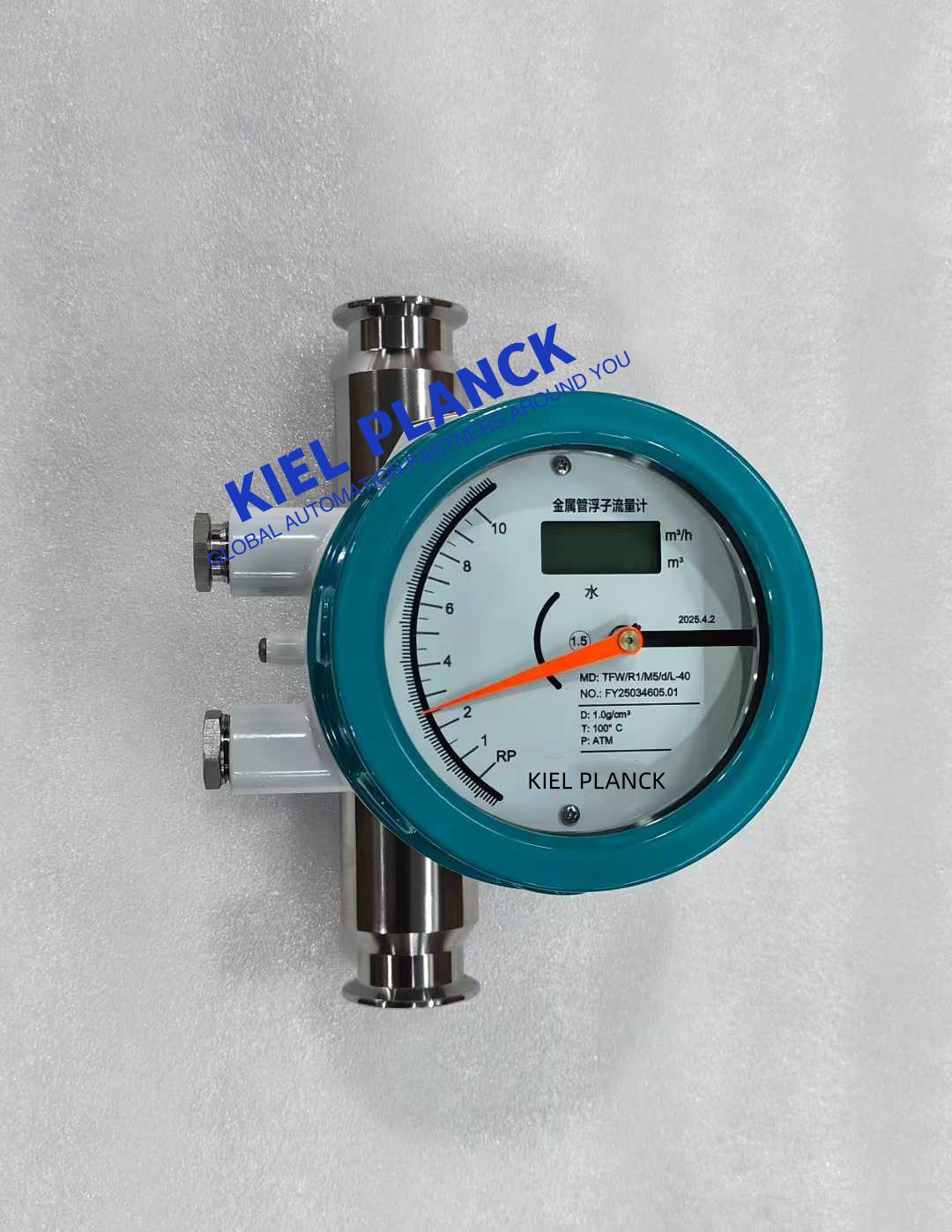
The installation of metal tube rotor flowmeters must strictly follow three core principles: vertical installation, fluid from bottom to top, and straight pipe sections meeting standards, to ensure measurement accuracy and long-term stable operation.
Brief introduction to the features of metal tube rotor flowmeter - Kiel Planck
Blog

Brief introduction to the features of metal tube rotor flowmeter

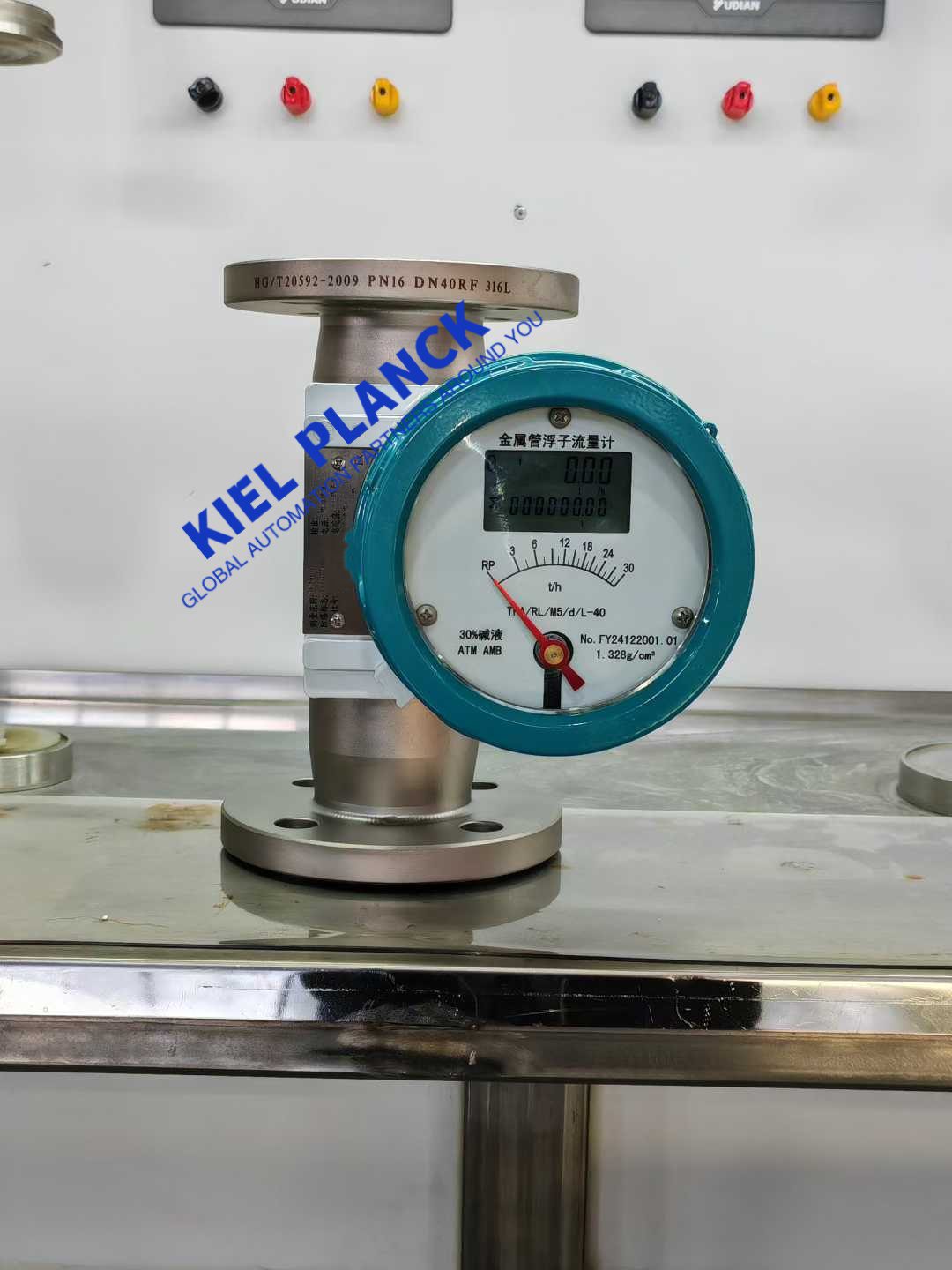
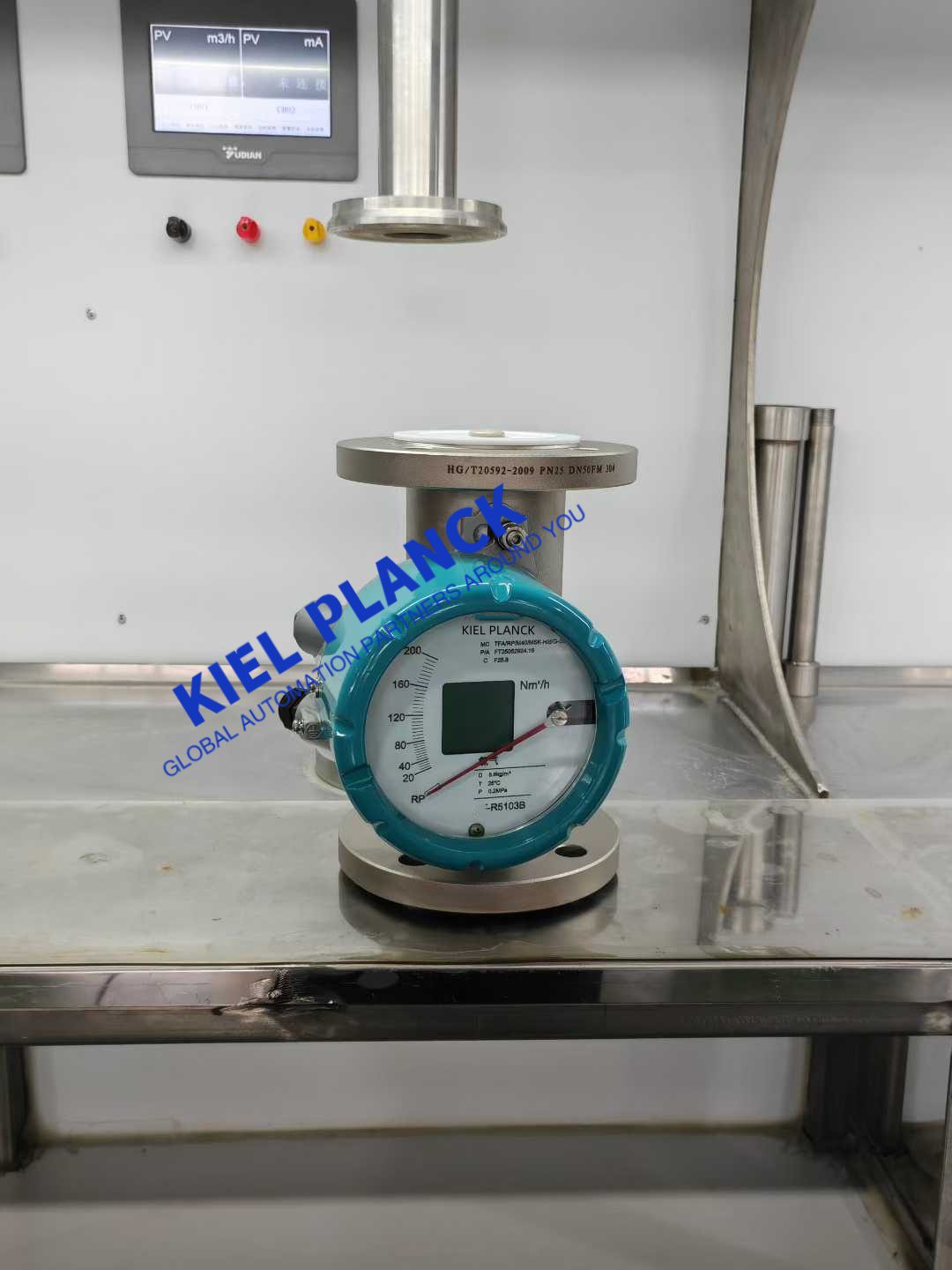
Metal tube rotor flowmeters (also known as metal float flowmeters) employ the variable area measurement principle, relying on the change in the float’s position within a tapered tube to directly reflect the flow rate. Features: simple structure, wide applicability, resistance to high pressure and high temperature, especially suitable for measuring small-diameter, low-velocity media.

Metal Tube Rotor Flowmeter Product Introduction - Kiel Planck
Blog

Metal Tube Rotor Flowmeter Product Introduction

Metal tube rotor flowmeters are flow measurement instruments based on the variable area principle, capable of monitoring small to medium flow rates of liquids, gases, and steam. They measure flow rate by the change in the position of a float within a tapered tube, and transmit the signal via magnetic coupling. Features include: compact structure, wide range ratio (10:1), and easy installation.

Rotor flowmeter features - Kiel Planck
Blog

Rotor flowmeter features

The rotor flowmeter has a simple structure, low pressure loss, can be read directly on-site without power supply, has excellent low flow rate measurement performance, is suitable for various media conditions, supports intelligent remote transmission and explosion-proof and corrosion-resistant customization, is easy to install and maintain, and has a high cost performance.

Metal rotor flow meter use - Kiel Planck
Blog

Metal rotor flow meter use

Problems encountered during the use of metal rotor flowmeters can be resolved through three steps: accurate diagnosis of the cause, targeted handling, and standardized preventive measures, ensuring long-term stable operation of the flowmeter and maintaining measurement accuracy.

Acceptance criteria and methods for turbine flow meters - Kiel Planck
Blog

Acceptance criteria and methods for turbine flow meters

The acceptance criteria and methods for turbine flow meters mainly follow standards such as JJG 1037-2008 “Verification Procedure for Turbine Flow Meters”. Through technical document review, visual inspection, installation condition verification and performance testing, the accuracy, stability and applicability of the flow meter are ensured to meet the usage requirements.

Commissioning and Use of Turbine Flow Meters - Kiel Planck
Blog

Commissioning and Use of Turbine Flow Meters

The commissioning and use of turbine flow meters must strictly follow the installation specifications, commissioning procedures and operating requirements to ensure measurement accuracy and equipment lifespan. This mainly includes key aspects such as pre-installation preparation, correct installation, commissioning and calibration, standardized operation and regular maintenance.

Turbine flow meter installation and maintenance - Kiel Planck
Blog

Turbine flow meter installation and maintenance

Turbine flow meters must be installed with sufficient straight pipe sections before and after the flow, filters must be added, they must be installed in the flow direction and vibration and interference must be prevented. Maintenance requires regular cleaning of the impeller bearings, inspection of wear and timely calibration.

Structural Analysis of Gas Turbine Flow Sensor - Kiel Planck
Blog

Structural Analysis of Gas Turbine Flow Sensor

Gas turbine flow sensors are commonly used high-precision velocity-type flow measurement instruments in industry. They rely on the kinetic energy of gas to drive the impeller to rotate and achieve flow measurement.

Email
Email: info@kielplanckprc.com
WhatsApp
WhatsApp Me