

Tuning Fork Level Switches for Tank Overflow Protection in Viscous and Adhesive Lithium Battery Slurry Working Conditions
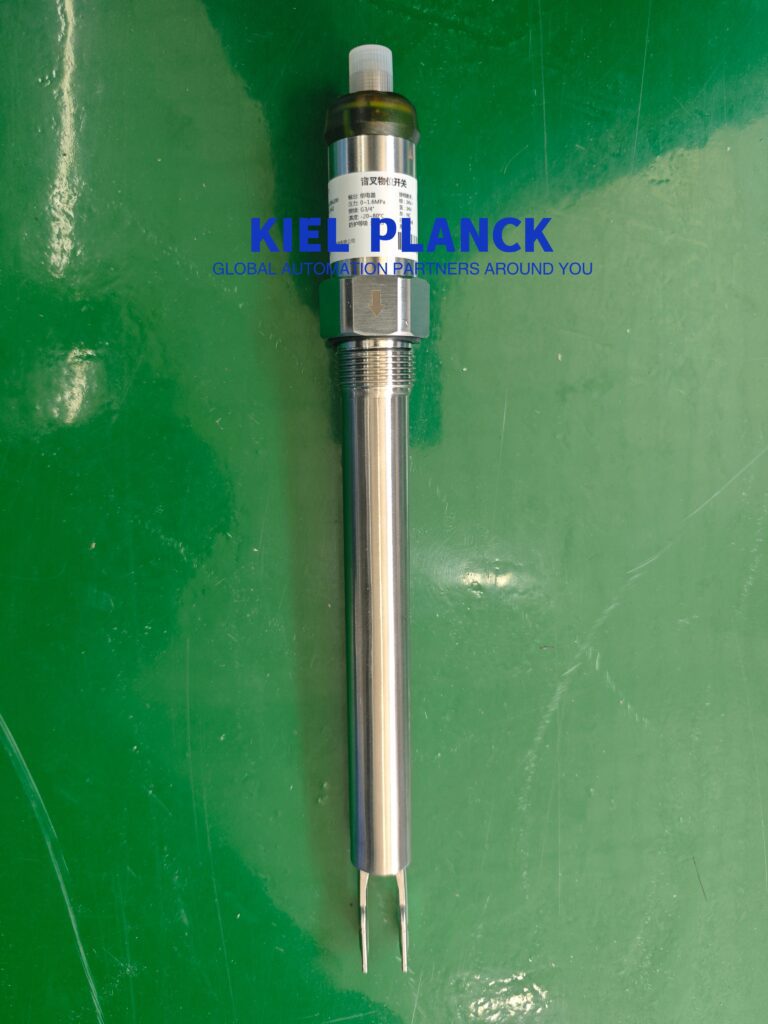
Lithium battery slurry is a key intermediate material in new energy battery manufacturing, featuring high viscosity, strong wall adhesion, solid-liquid mixing characteristics and easy curing properties. During tank stirring, circulating feeding and material transfer processes, traditional liquid level monitoring instruments are highly susceptible to slurry adhesion, residue accumulation and liquid level fluctuation, resulting in false level signals, failed overflow alarms and inaccurate threshold judgment
Explosion-proof and Anti-corrosion Reliable Monitoring of Tuning Fork Level Switches for Limit Control of Corrosive Chemical Storage Tanks
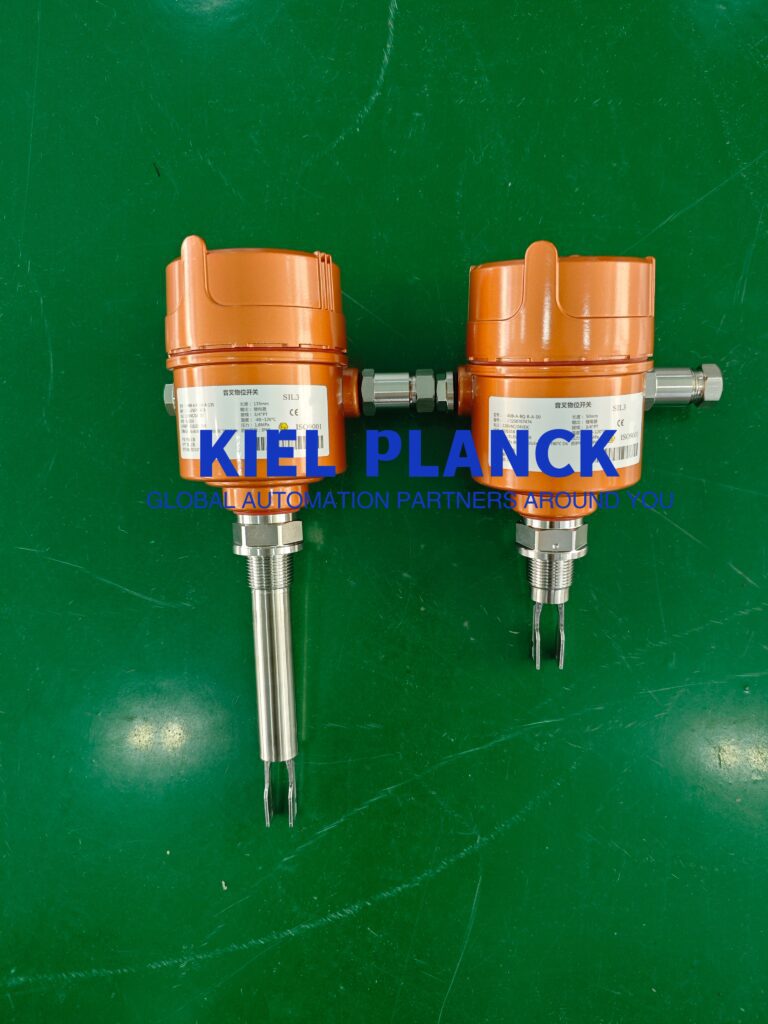
Chemical storage tanks for corrosive media are essential infrastructure in the chemical industry, commonly used to store strong acid, strong alkali, organic solvent and other highly corrosive, volatile and flammable chemical materials.
Stable High and Low Liquid Level Monitoring with Tuning Fork Level Switches for Foam Interference in Stirred Tanks
Stirred tanks are core process equipment widely used in chemical, biopharmaceutical, food processing and new energy industries. High-speed stirring, aeration reaction and medium mixing often generate a large amount of surface foam, which has long been a key factor leading to inaccurate liquid level measurement.
On-site Troubleshooting of Reading Fluctuation Caused by Electrode Scaling of Electromagnetic Flow Meters
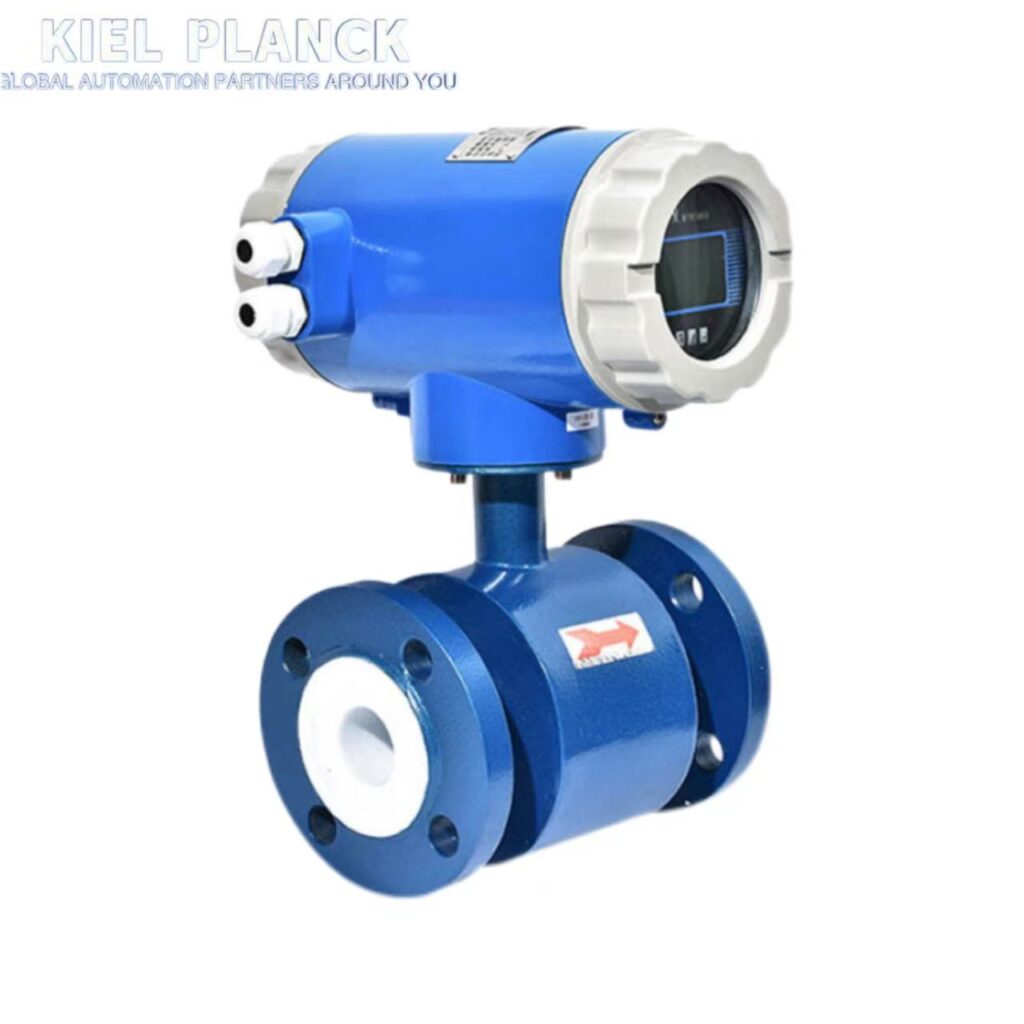
Electromagnetic flow meters are widely used in industrial fluid measurement due to their high stability and zero pressure loss. However, electrode scaling is one of the most common on-site faults in long-term operation. Adhesive sediments, crystallization layers, grease and mineral scales covering electrode surfaces will cause unstable signal induction, resulting in severe reading jitter, data jumping and intermittent measurement failure
Impacts of Different Liner Materials on Equipment Service Life
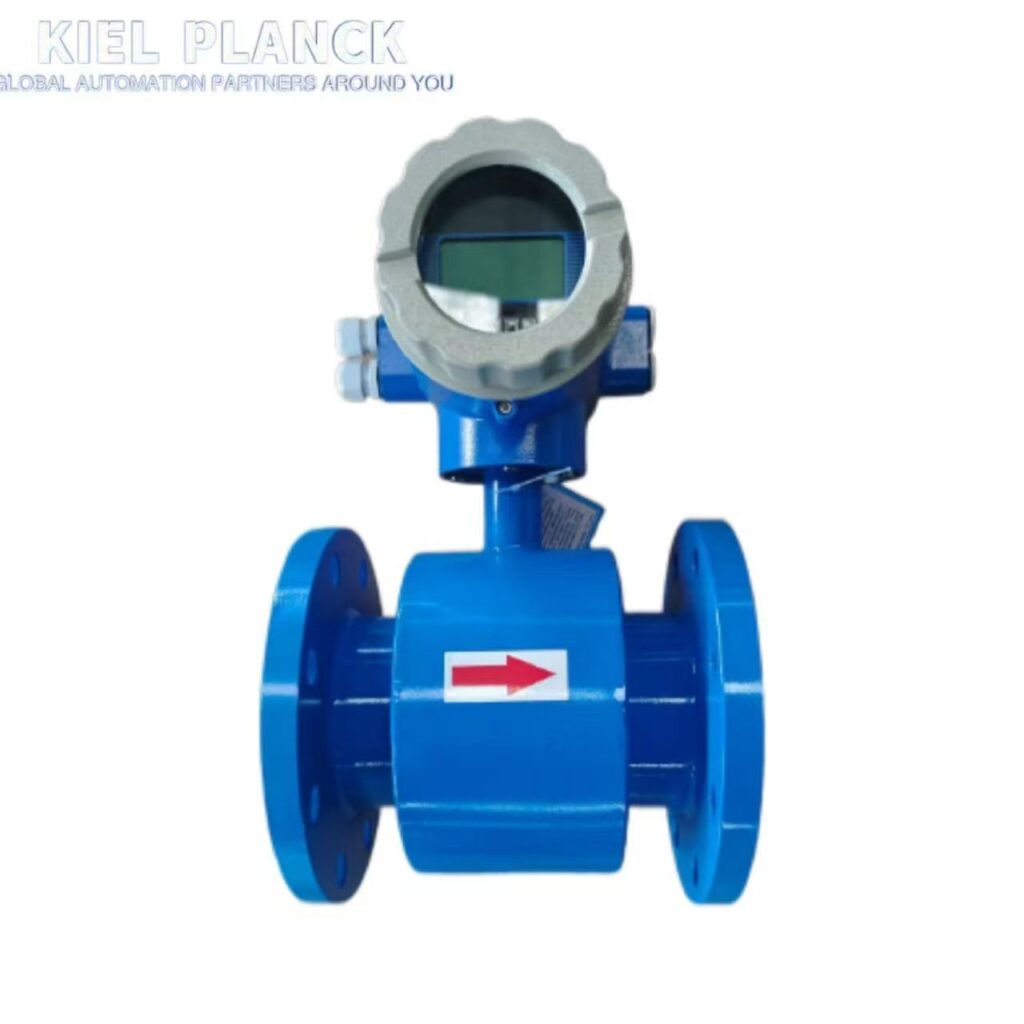
he liner is the core protective component of an electromagnetic flow meter, which isolates the measuring tube from corrosive, adhesive, and abrasive media and directly determines the instrument’s stability, measurement accuracy, and overall service life.
Application Scheme of Electromagnetic Flow Meters in Lithium Battery Electrolyte Transportation Systems
Lithium battery electrolyte is a core conductive medium that determines battery capacity, cycle life and safety, featuring strong corrosion, high cleanliness requirements and sensitive flow control characteristics in transportation and filling processes. Precise and stable flow monitoring of electrolyte delivery is essential to ensure consistent battery production quality and reduce defective rates.
Working Condition Challenges of Monocrystalline Silicon Pressure Transmitters in Carbon Dioxide Capture and Transportation
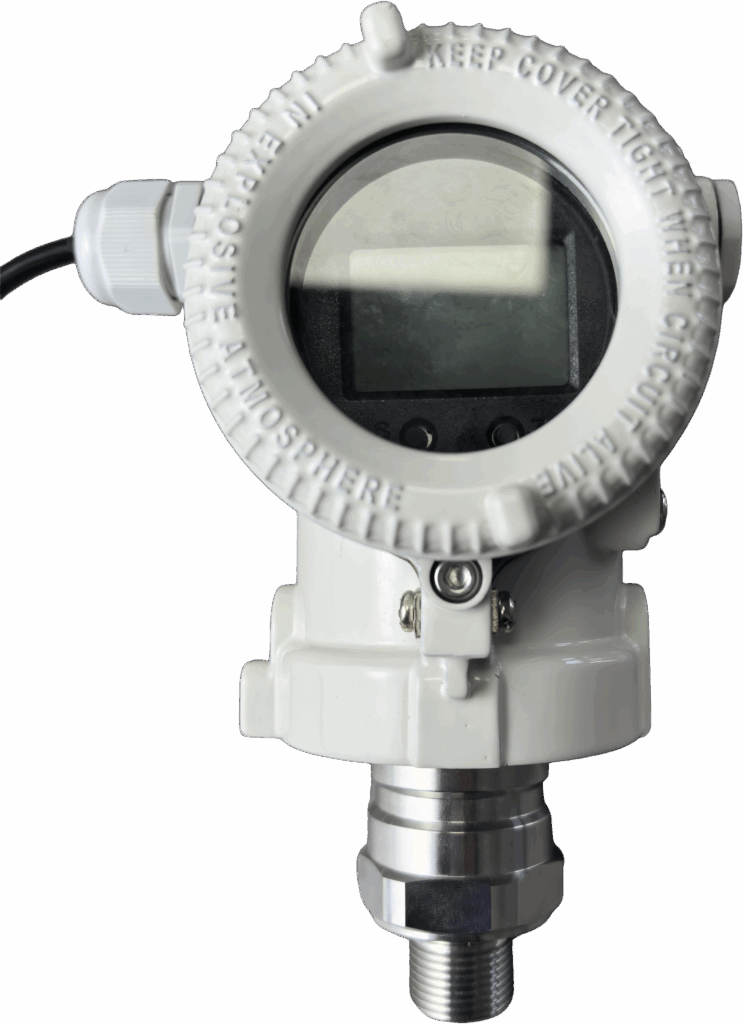
Carbon dioxide capture, utilization and storage (CCUS) is a pivotal technical approach for global carbon neutrality and industrial emission reduction. The CO₂ capture and transportation process involves complex working conditions including low-temperature liquefaction,
Application and GMP Compliance Essentials of Monocrystalline Silicon Pressure Transmitters in Biological Fermentation Tanks
Biological fermentation is the core process for producing biological products, pharmaceuticals, and functional foods, where sterile environment, stable tank pressure, and precise process control are fundamental to product quality.
90% of Electrolyzer Plants Choose the Wrong Pressure Transmitters Amid the Hydrogen Energy Boom
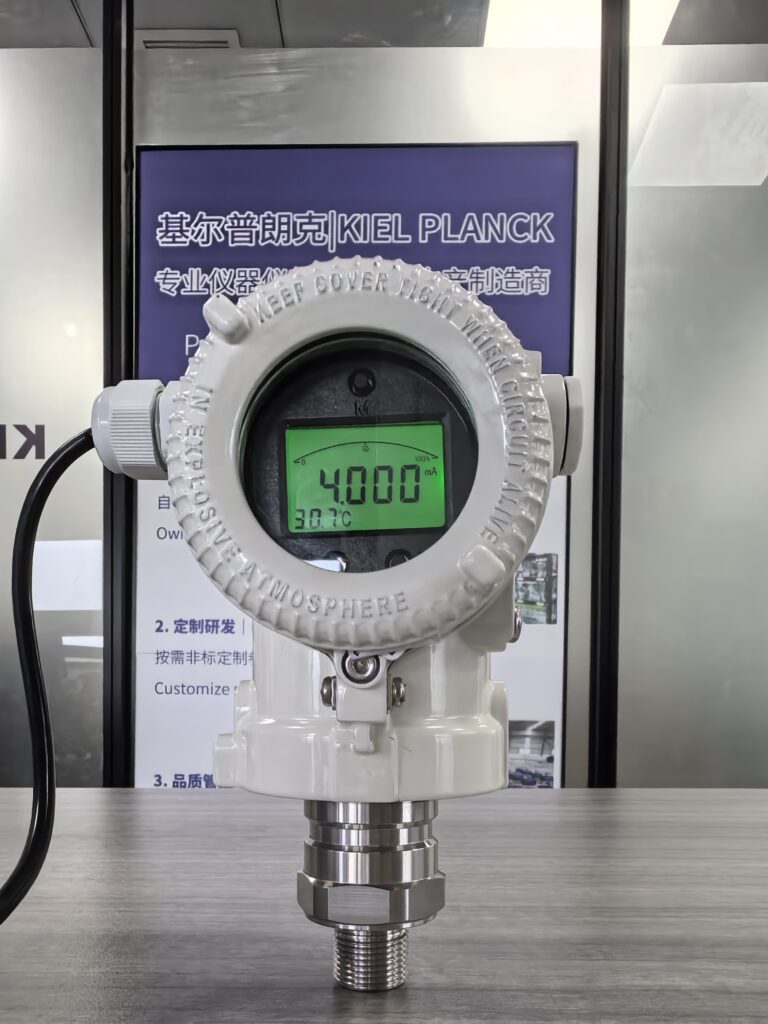
Driven by the global hydrogen energy boom, water electrolysis hydrogen production projects have expanded rapidly worldwide, making electrolyzer equipment a core pillar of green energy development.

